
End-of-Season Checklist for Fishing Charter Operators
October on the Gulf Coast means shorter days, thinner crowds at the dock, and a natural pause in the booking calendar. For most charter captains, that pause feels like relief after a long run of early mornings and back-to-back trips. But the operators who come out of the slow season ahead are the ones who use this window intentionally, not just to rest, but to set up a better year.
This is a practical checklist for fishing charter operators at the end of the season. It covers the business side including bookings, payments, guest records, and marketing, not just boat maintenance. Because the hull can wait a week, but some of this work is time-sensitive while the season is still fresh.
1. Close Out Every Open Booking
Before anything else, go through your booking calendar and make sure every trip is properly closed. Any booking marked as confirmed but not yet marked complete should be reviewed. If the trip ran, close it. If a guest never showed and you did not process a cancellation, handle it now so your records are clean.
Check that deposits and balances were collected on every completed trip. If a guest paid a deposit but the balance was never collected, either because it slipped through or they paid cash at the dock and you forgot to log it, reconcile that now. Accurate records matter when you are looking at your actual revenue for the season versus what you expected.
Running a filter on your booking dashboard for anything still in a pending or open status takes about ten minutes and saves confusion later when you are trying to pull numbers for accounting.
2. Pull Your Season Revenue Report
Once your bookings are clean, pull a full revenue report for the season. Look at total trips run, total revenue collected, average booking value, and any patterns in cancellations or no-shows.
A few specific questions worth answering from the data:
- Which trip types booked most consistently?
- Which months were strongest and which were softer than expected?
- How many guests paid deposits but did not follow through to the trip?
- What percentage of your bookings came through direct channels versus third-party marketplaces?
You do not need a spreadsheet analyst for this. Most operators can answer these questions with a basic export from their booking platform and twenty minutes of honest review. The goal is to make next season pricing, trip type, and marketing decisions based on what actually happened rather than what felt true.
3. Audit Your Trip Types and Pricing
The end of the season is the right time to revisit your trip types and make sure they still reflect how you actually want to run the business next year. Some operators accumulate trip options over time, adding a half-day here, a corporate add-on there, until the booking page looks cluttered and guests have trouble choosing.
If a trip type ran fewer than a handful of times this season, consider whether it should stay active or be hidden. If your most popular trip was consistently booked at full price with no complaints, it might be worth a modest price increase for next year, set now so it is in place before the early-bird booking rush starts.
Also look at your deposit percentage for each trip type. If you are running offshore trips at a low deposit and getting late cancellations, that number may need to move up. The off-season is the right time to make that change quietly, before guests are actively in the booking flow.
4. Review and Refresh Your Waivers
If you have not revisited your charter liability waiver language since last year, do it now with your attorney, not on your own. Regulations, your specific operations, and legal standards can shift. End-of-season is a good checkpoint to confirm that your waiver is current and covers the activities you actually ran this year.
From an operational standpoint, also confirm that your waiver workflow is set up to send automatically with every booking confirmation. Guests should be signing before they arrive, not at the dock while you are trying to untie lines. If you noticed stragglers showing up unsigned this season, that is a workflow problem worth fixing before the spring rush begins.
5. Export and Organize Your Guest List
Your guest database is one of the most valuable assets your charter business has, and most operators do not treat it that way. At the end of each season, export your full guest contact list and save it somewhere outside your booking platform.
Go through the list and note which guests booked more than once this season, which large groups or corporate bookings might return, and which guests inquired but never converted. You do not need a CRM or a marketing agency to do something useful with this list. A short, direct email in late winter, something like noting that spring dates are opening and you wanted to give past guests a first look before posting publicly, works well for people who already had a good time on your boat.
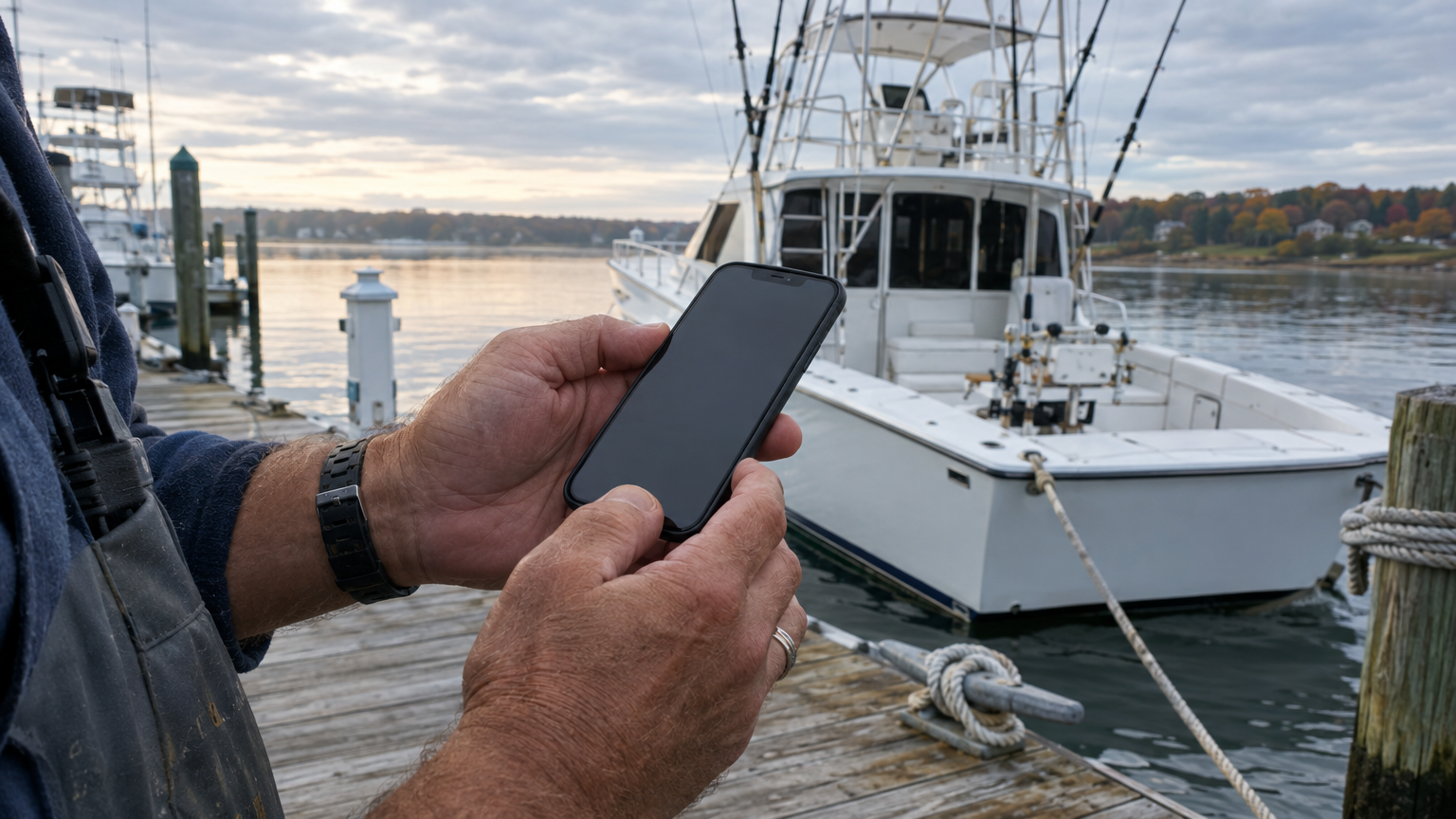
The off-season is the right time to review your guest list and reach out to returning customers before spring availability opens.
6. Tighten Up Your Booking Page Before Spring
Most charter operators open their spring booking calendar without looking at their own booking page first. Spend thirty minutes going through it as if you were a first-time guest.
Check that trip descriptions are accurate and include practical details guests care about, such as departure time, what is included, and how many people fit. Make sure your cancellation and deposit policy is clearly visible before the book button. Confirm the confirmation email a guest receives after booking actually says something useful, not just a date and a booking reference number. And verify that your contact information is current.
If any of your booking page text has been sitting untouched since you first set it up two or three years ago, it probably needs a refresh. Guests read more closely than captains assume, and outdated or vague copy creates pre-trip questions you end up answering by phone.
7. Plan Your Early-Season Push
The operators who start next season strong are usually the ones who did something in the January to February window, when competitors have gone quiet and guests are starting to think about spring trips. That window is only useful if you have something ready to send and a list to send it to.
Before the slow season gets into full swing, decide on one simple thing you will do in early winter to drive early bookings. Options that work well for charter businesses include a direct email to past guests announcing that spring dates are opening, a guaranteed hold on preferred dates for returning guests before availability goes public, or a Google Business update during winter highlighting that you are still running trips for guests who want to fish off-season.
None of this requires a marketing agency. It requires a clean guest list, a clear message, and doing it in January before the spring rush makes it hard to stand out.
8. Confirm Your Platform and Integration Setup Is Ready
If you use a booking platform, the off-season is the right time to make sure everything is connected properly before traffic picks up again. If you sync an external calendar such as a marketplace feed, test the sync and confirm it is still pulling accurately. If you take payments through Stripe, confirm your bank account and payout settings are current. If you embed a booking widget on your website, load your site on a phone and make sure the booking flow works end-to-end.
These things rarely break dramatically. They drift. A sync that stopped auto-updating two months ago might have caused a scheduling conflict you never caught. Better to find and fix it in October than after a guest has already paid a deposit in March and you have a problem on your hands.
Put the Work In Now So Spring Is Actually Enjoyable
The captains who dread the start of each new season are usually the ones who ended the last one in a rush. Open bookings, uncollected balances, a guest database that lives only in their head, and a booking page that has not been touched in years.
None of this checklist takes more than a few hours spread across a quiet week in October. Done properly, it makes next year's ramp-up cleaner, your early bookings stronger, and your operation easier to hand off if you ever add crew or a second boat.
VrixPlay is built for operators who want simple tools without software overhead. The platform is free, charges a flat 3% per booking, and is designed to run from a phone at the dock or a desk in the off-season. If you want to tighten up your booking workflow before spring, start free at vrixplay.com with no card required.
Frequently Asked Questions
When should fishing charter operators start preparing for next season?
Early October is a good target for Gulf Coast operators. That gives you time to close out the current season cleanly, review your numbers, and make pricing or trip-type changes before early-bird guests start looking for spring dates in January.
What should be included in an end-of-season charter business review?
At minimum: close all open bookings, reconcile deposits and balances, export your guest list, review which trip types performed well, and assess your cancellation and no-show rate. Most of this takes a few hours and gives you a clear picture of what to change before the next season opens.
How do charter captains get more repeat bookings?
The most reliable method is direct outreach to past guests in the early off-season, usually January or February, before competitors start advertising spring availability. A short personal email mentioning that spring dates are opening works well for guests who already had a good experience on your boat. The key is having a clean, organized guest list ready to use.
Should I change my deposit policy between seasons?
Review it at minimum. If you had high cancellation rates or late no-shows this past season, your deposit percentage or cancellation window may need to tighten. The off-season is the right time to make that change so it is already set when your spring booking page goes live.
