How to Use the Off-Season to Set Up a Stronger Charter Booking Year
The boats are still running, but you can feel it. Groups are thinning out, the inbox is a little quieter, and the frantic pace of peak season is starting to let up. For a lot of charter captains on the Gulf Coast and beyond, October is the natural turn -- not the end of the business, but the end of the sprint.
Most operators treat the slow season as downtime. The ones who consistently open next year with a full calendar treat it as setup time.
There is a real difference. Here is what that setup actually looks like.
Start With What the Season Actually Did
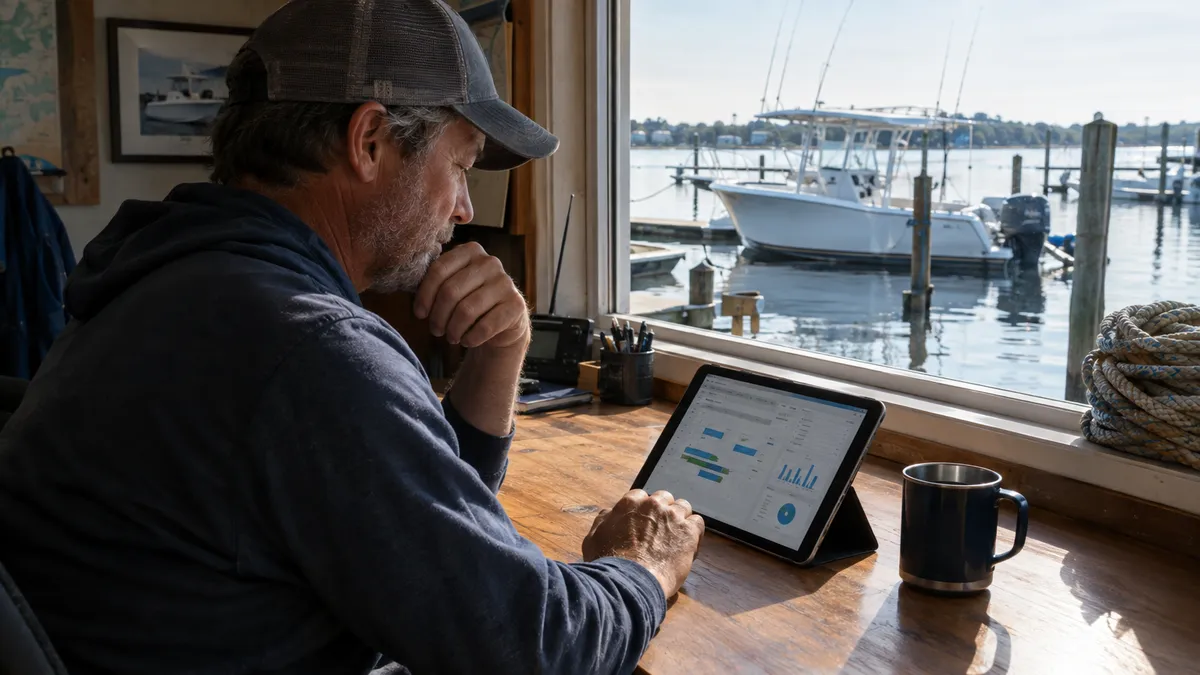
Before you start planning anything for next year, spend an hour looking at what this year produced. Pull your booking reports and answer a few honest questions:
- Which trip types filled the fastest?
- Which ones sat half-empty most of the season?
- What was your average deposit-to-booking conversion rate?
- How many no-shows did you deal with, and were those clustered on specific trip types or date ranges?
- When did your booking pace peak -- and when did it drop off faster than you expected?
Most captains have a gut sense of how the season went. The numbers often tell a slightly different story, and the gaps between intuition and data are usually where the real adjustments live.
If your booking platform gives you trip and revenue reporting, now is the time to actually use it. You are not looking for anything complicated -- just a clear picture of what worked, what underperformed, and what you want more or less of next year.
Reach Out to This Year's Guests Before Anyone Else Does
Your past guests are the easiest bookings you will ever get. They already know the experience, they trust you, and they do not need to be convinced. What they do need is a reason to book now instead of waiting.
October and November are good months to send a personal early-booking message -- before the holiday noise picks up and before anglers start searching for next summer's trips in January and February. A short, direct note works well here. Something that says you are setting up the calendar for next year and that you are giving last season's guests first shot at the best dates before they open to the public. That tone lands. It does not feel like a marketing blast. It feels like a captain who remembers them.
If your booking software keeps a contacts database tied to past bookings, you can pull that list without digging through old texts and emails. Filter for guests who fished with you this year or last, send a short batch message, and include a link to your booking page so anyone who is ready can pay a deposit without a back-and-forth.
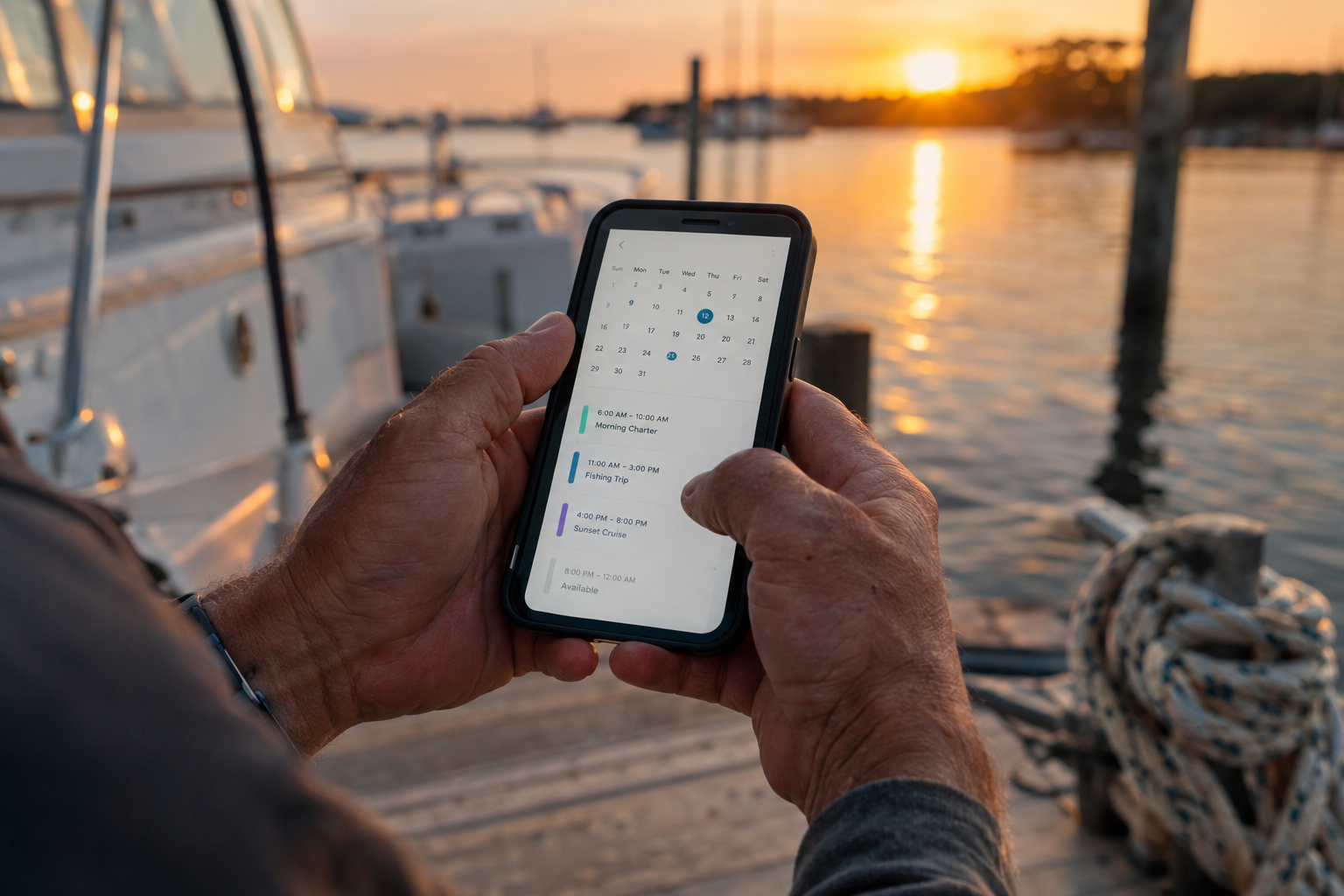
Reviewing next year's calendar while the dock is quiet is how the best-booked captains start the season strong.
Get Next Year's Trip Types and Pricing Ready Now
If you have been meaning to add a new trip type -- a sandbar run, a nearshore half-day for families, a private sunset trip -- the off-season is when you actually set it up. Not at 5am in April when you are already behind.
Go through your booking system and audit every product you have listed:
- Are the descriptions accurate and clear for a guest who has never fished with you?
- Do your prices reflect what fuel, bait, and mate pay actually cost now?
- Is your deposit percentage set where it needs to be for offshore trips to protect you against late cancellations?
- Are your capacity limits correct for each hull?
- Do your blackout dates, lead time rules, and booking windows make sense for next year?
None of this takes long when you are not busy. All of it takes twice as long when you are trying to do it in May while running trips back-to-back.
Review and Tighten Your Cancellation Policy
If you had any cancellation or no-show headaches this year, the off-season is the right time to look at your policy with fresh eyes.
A cancellation policy is not just a rule -- it is communication. Guests who understand the terms clearly before they book are far less likely to push back when you enforce them. If your policy is buried in fine print or not visible until after someone has already paid, you will have the same arguments next year.
Think through a few specific questions:
- Was your cancellation window long enough for offshore and multi-day trips where you are buying significant bait and fuel?
- Did guests see the policy clearly before they confirmed?
- Is it included in your confirmation emails and your waiver?
- Did your deposit amount actually make guests take the booking seriously, or did you still have walk-aways close to departure?
Write any changes down in plain language -- the kind of language you would use talking to a guest at the dock -- and update it everywhere: your booking page, your confirmation email template, and your waiver.
Make Sure Your Booking System Is Ready for the Rush
This is the part most operators skip, and it costs them every spring.
When January and February arrive, fishing charter search traffic picks up sharply. Anglers planning spring and summer trips start looking for availability and open booking pages. If your booking link is buried, your calendar is not current, or your checkout is clunky on a phone, you are losing trips to captains whose systems just work better -- even if your fishing is better.
Run through your own booking flow as if you were a guest who has never heard of your operation:
- Can you find the booking page easily from your website or social profiles?
- Is the mobile checkout clean and fast?
- Does the deposit amount show clearly before payment?
- Does the confirmation email go out immediately with the right details?
- Is your availability accurate, or are there trip types showing open that you are not actually running next year?
Fix anything that feels slow or confusing. Then send yourself a test booking so you see exactly what your guests experience. Small friction points that seem minor in October will cost you real bookings in March.
Open a Few Early-Season Dates Before the Year Ends
One practical move: put a handful of early-season dates on your calendar before year's end. You do not have to open the full season -- just enough that an angler who finds you in November or December can actually book instead of seeing no availability and bouncing to another captain.
Early bookings made during the off-season tend to be solid bookings. Guests who plan that far ahead usually show up. They know what they want. And getting a deposit in November is a good reminder that the business keeps working even when the boats are quiet.
The Off-Season Is Leverage, Not Downtime
Most captains use the slow months to catch up on maintenance, spend time with family, and decompress from the season. All of that is legitimate and earned. But the operators who consistently open March and April with a calendar that is already partially booked are usually doing something simple during the quiet months: staying in front of their best guests, getting their systems right, and making it easy to book before the competition heats back up.
None of this requires a marketing team or complicated software. It requires a few focused hours, a solid contacts list, and a booking system that is set up to capture interest when it shows up.
VrixPlay is free to use, charges a flat 3% per booking, and the team in Destin will handle your full setup and migration. If you want to head into next season with your booking page, trip types, deposit policy, and guest contacts all in one place, start free -- no card required.
