How to Keep Charter Bookings Coming In During the Off-Season
The crowds thin out, the traffic on the highway disappears, and for a lot of Gulf Coast charter operators, October feels like someone switched the lights off. If you have been running all summer, that slowdown can feel like a relief for about two weeks and then it starts to feel like a problem.
The off-season does not have to mean an empty calendar. It just means the bookings you relied on summer for are not going to arrive on their own. You have to go get them. Here is how operators who run year-round actually do that.
Understand who is still booking and fish for them specifically
The guests who book in November and December are different from your July crowd. They are usually locals or day-trippers who know the weather is a gamble. They are serious anglers who understand that fall and winter fishing can be exceptional. Less pressure on the fish, cooler water, different species in the mix. And they are group planners booking corporate outings, holiday parties, and birthday trips for people who specifically want to avoid the summer chaos.
Each of those groups responds to different messaging. A serious angler wants to hear about what is biting and why fall is a better time to catch it. A corporate planner wants capacity, availability, and an easy way to handle the logistics. A local birthday group wants something that feels special without a three-month waitlist.
Once you know who you are trying to reach, everything else gets more specific and more effective. Your pricing, your booking page copy, your social posts, your email subject lines. All of it sharpens when you stop writing for everyone and start writing for the person actually planning a November trip.
Price for the season, not out of habit
A lot of captains carry their summer rates straight into fall and wonder why bookings dry up. Some do the opposite and slash prices across the board, which fills the calendar but trains guests to wait for discounts.
Neither extreme works well. Shoulder-season pricing lands better when it is thoughtful.
- Adjust by trip type, not across the board. Your longer offshore runs may hold rate better than your half-day inshore trips. Know which trip types have the most price sensitivity and adjust those first.
- Create packages that feel like value without gutting your margin. A fall special that bundles a trip with early morning access, a dedicated cleaning station, or a complimentary fish box feels like a deal without just being cheaper.
- Use higher deposit percentages in slow months. When you do take a booking, protect it. A guest who puts down 50 percent is more likely to show up than one who owes 80 percent at the dock in January.
VrixPlay lets you set deposit percentages at the individual trip-type level, so you can tighten protection on shoulder-season bookings without touching your summer policies.
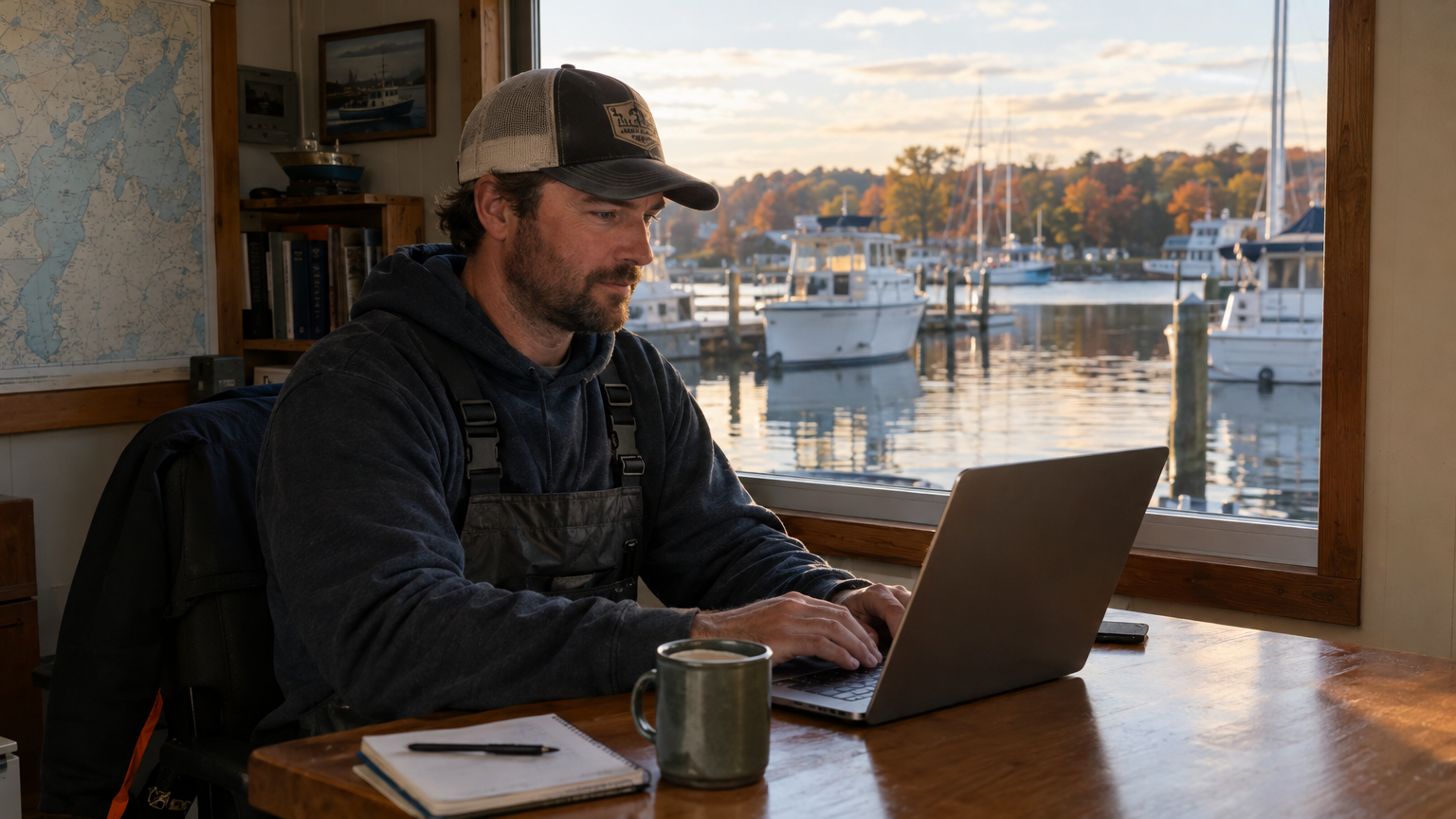
Slower months are the best time to build the systems that carry you through peak season.
Do the direct outreach you never had time for in July
During peak season you are running trips every day. You do not have time to dig through your customer list and send personal messages. The off-season is when you finally can, and it is one of the highest-return things you can do with a slow Tuesday afternoon.
Pull your guest list from the past 12 to 18 months. Look for guests who booked once and never came back, parties who left great reviews but have not rebooked, corporate groups or larger parties who mentioned returning, and anyone who inquired but never completed a booking.
A short direct message to each of those groups can reactivate bookings that simply went quiet. You do not need a polished email campaign. A message that says fall fishing on the Gulf has been exceptional and you have open dates in November will land better than any promotional template.
VrixPlay stores your guest database across all bookings in one place, so you can identify who has been on the water with you and who might be ready to come back.
Put content to work while the calendar is quieter
The off-season is the best time to build things that pay you back during the busy season. Blog content is one of the clearest examples.
Articles about what is biting in your area in fall and winter, guides to what guests should expect on a cold-weather offshore run, posts about the best months to catch specific species in your fishery. All of that content can rank in search over time and bring you bookings you did not have to chase.
The same goes for your Google Business Profile. Operators who update photos, respond to reviews, and post seasonal content during the slow months are better positioned when spring search traffic picks up. Local SEO does not move fast, but it compounds. Every slow month you spend building it is traffic you get back in April.
One post a week on a specific, useful topic beats five generic social captions. If you are not sure what to write about, start with the questions your guests actually ask. What should I wear? What is the best time of year? What species are we targeting? Each of those is a search query from people planning future trips.
Make it easy to gift a charter
Holiday gift givers are an underused booking source for charter operators. A half-day inshore trip makes an excellent gift for the angler who already has every piece of tackle they need. The problem is that most charter websites make it hard to buy a trip as a gift. You have to book a specific date, enter someone else's details, and figure out the logistics yourself.
A simple fix: create a trip package specifically framed for gifting. Give it a clear name, price it at a round number that works as a gift, and write the booking page copy for the person buying it, not the person going. Let them book a date to be determined, pay in full, and receive a confirmation they can forward. Your system holds the revenue. The gift recipient picks the date when ready.
A dedicated trip type in your booking platform labeled clearly, something like Gift a Charter, does the job and gives you something specific to promote from November through December.
Fill gaps with local and regional traffic, not tourists
Your summer crowd mostly drives from several states away. Your off-season crowd is more likely to be within two hours. That means your marketing channels shift too.
Local Facebook groups, area fishing forums, marina bulletin boards, and partnerships with nearby lodges, hotels, or hunting outfitters can all drive short-notice bookings from people who want something to do on a weekend when conditions look good. A post in a local fishing group that says you have two open dates next weekend and the water has been outstanding will outperform a polished ad targeting out-of-state visitors.
Short-notice bookings are also where an online booking system earns its keep. If someone sees your post on a Friday night and wants to book Saturday morning, they need to do that without calling you or waiting for a callback. Your booking page should show real-time availability and let them put a deposit down right then. The guest who cannot book instantly will move on to whoever is easier.
Use the downtime to tighten your systems
Slow months are the window you never get in summer to actually fix things. That might mean cleaning up your booking page copy so it is clearer for first-time guests, setting up confirmation emails with better arrival instructions, getting your digital waivers in order so guests sign before they show up, or connecting your FishingBooker calendar so third-party bookings flow into one place automatically.
Any system improvement you make in October saves you time every week from March through August. The best-run charter operations treat the off-season as infrastructure time, not just survival time.
Stay visible even when you are not running trips
The operators who come out of winter with full spring calendars are usually the ones who stayed active during the slow months. Posting catches, sharing what is in the water, responding to reviews, showing up in the spots where their next guests are already looking.
You do not need to be everywhere. You need to be consistent in a few places. A weekly update on what is fishing, a response to every Google review within 48 hours, and a clear booking page that works on a phone at 11pm will put you ahead of most of your competition when spring planning season starts.
The off-season ends. The question is whether you spend it waiting or building.
VrixPlay is free booking and operations software built for charter fishing, boat rentals, yacht charters, tour boats, and watersports. No monthly subscription. Flat 3 percent per booking. If you want a platform that keeps bookings organized and payments moving whether it is peak season or January, start free today.
